

5 California Native Groundcovers Worth Planting Now
What holds a hillside, what to check first, and what it means if you plan to sell.
If you own a home on a hill, you already know the feeling. The first big storm is on the forecast, and that bare patch of dirt behind the retaining wall suddenly looks very exposed. Roots hold soil. Bare ground doesn’t. Fall is the best time to give a slope something living to hold onto, because the rains water new plants in for you.
Here are five California natives that suit slopes, how to plant them, and why it matters if a sale is on your horizon.
Why Bare Slopes Are a Problem Before Winter
Heavy rain on exposed soil carries it downhill. You lose topsoil, clog drains and gutters with silt, and sometimes undermine walls, patios or foundations at the base. It also tends to show up in a buyer’s inspection as drainage and erosion concerns, the kind of thing that is much cheaper to prevent than to explain.
Plants help in two ways. Their canopy breaks the force of falling rain, and their roots knit the top layer of soil together. Neither works on day one, so timing matters. Planting now, before the wet months, gives roots a head start.
Five California Natives That Suit Slopes
All five are California natives and are described by UC Cooperative Extension as suited to slopes, banks or hillsides. Sizes are typical ranges and vary by cultivar and site.
1. Pigeon Point Coyote Brush (Baccharis pilularis ‘Pigeon Point’)
A tough, evergreen mounding groundcover, about 18 inches tall and up to 8 feet wide. It likes full sun and needs very little water once established, and it is recommended for banks and slopes.
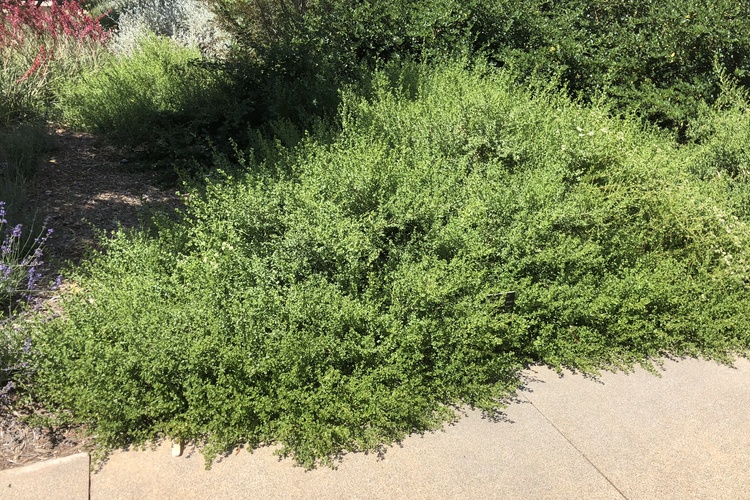
2. Carmel Creeper Ceanothus (Ceanothus griseus horizontalis)
A trailing California lilac, 1 to 3 feet tall and spreading up to 15 feet. It likes full sun to light shade, is very drought tolerant once settled, and is suited to dry slopes and over retaining walls. Blue spring flowers are a bonus.
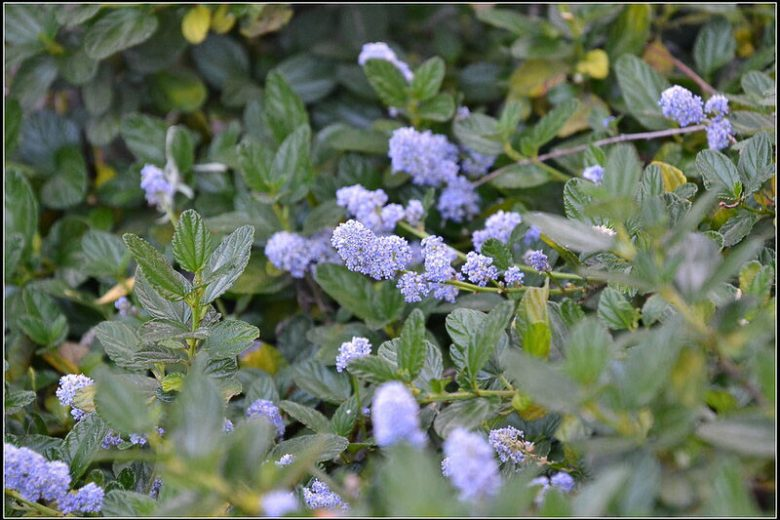
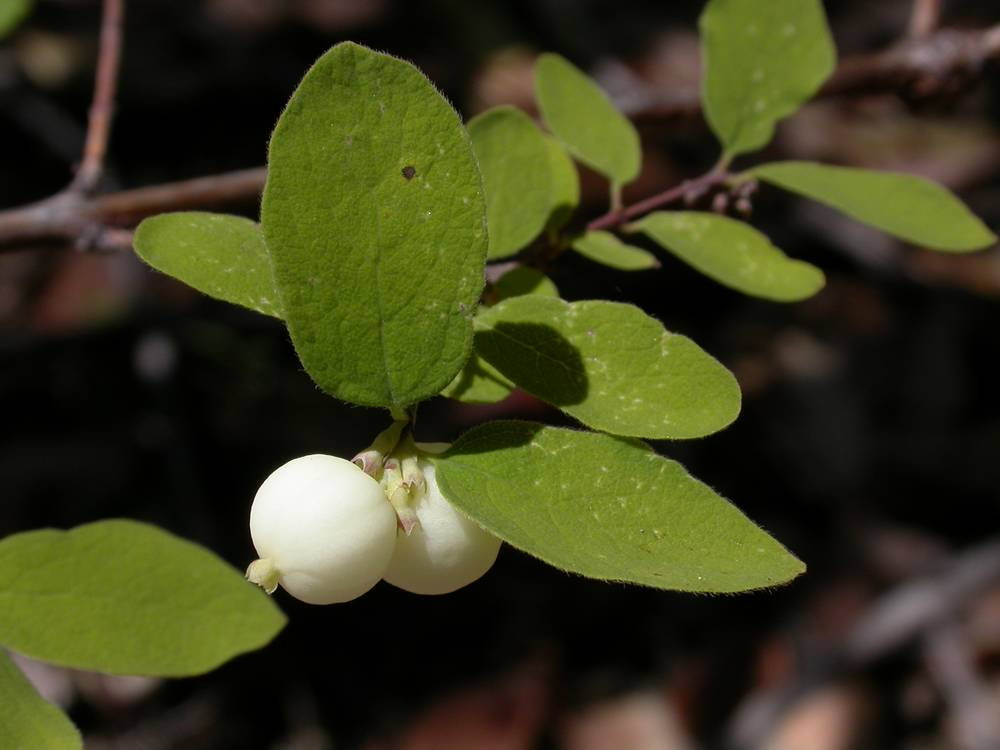
3. Creeping Snowberry (Symphoricarpos mollis)
About 12 inches tall, spreading rapidly. It handles sun, part shade or full shade and can be fully drought tolerant, which makes it useful on slopes with mixed light. It is favored for planting on slopes.
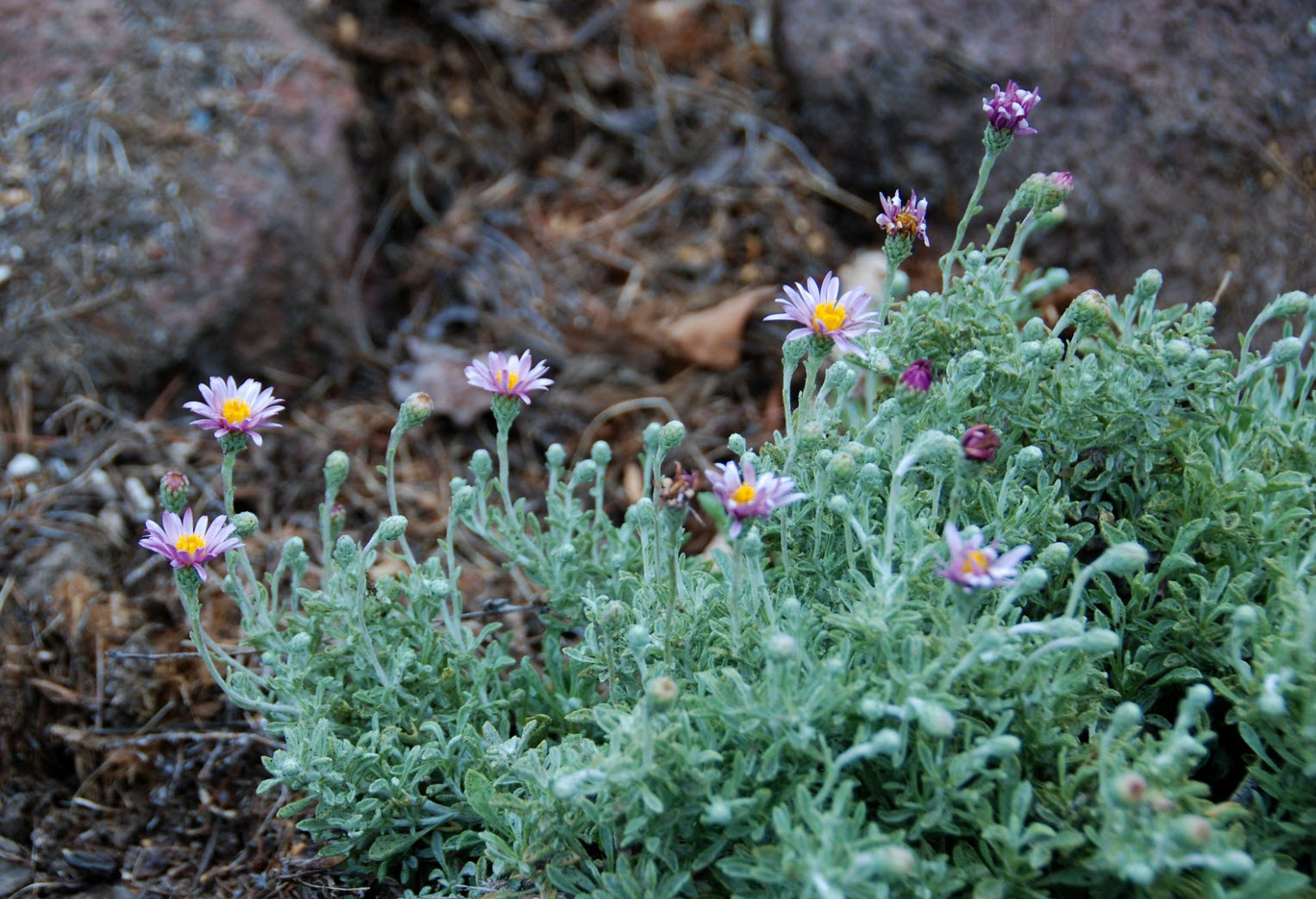
4. Silver Carpet California Aster (Lessingia filaginifolia ‘Silver Carpet’)
A low, silvery mat, 1 to 6 inches tall and 4 to 8 feet wide. It wants full sun to part shade and excellent drainage, needs little or no water once established, and suits hillsides in rocky soil.
5. Poverty Weed (Iva hayesiana)
A sprawling evergreen, 2 to 3 feet tall and 4 to 5 feet wide. It takes sun or part shade, tolerates both moisture and drought, and is recommended for covering accessible slopes and preventing erosion.
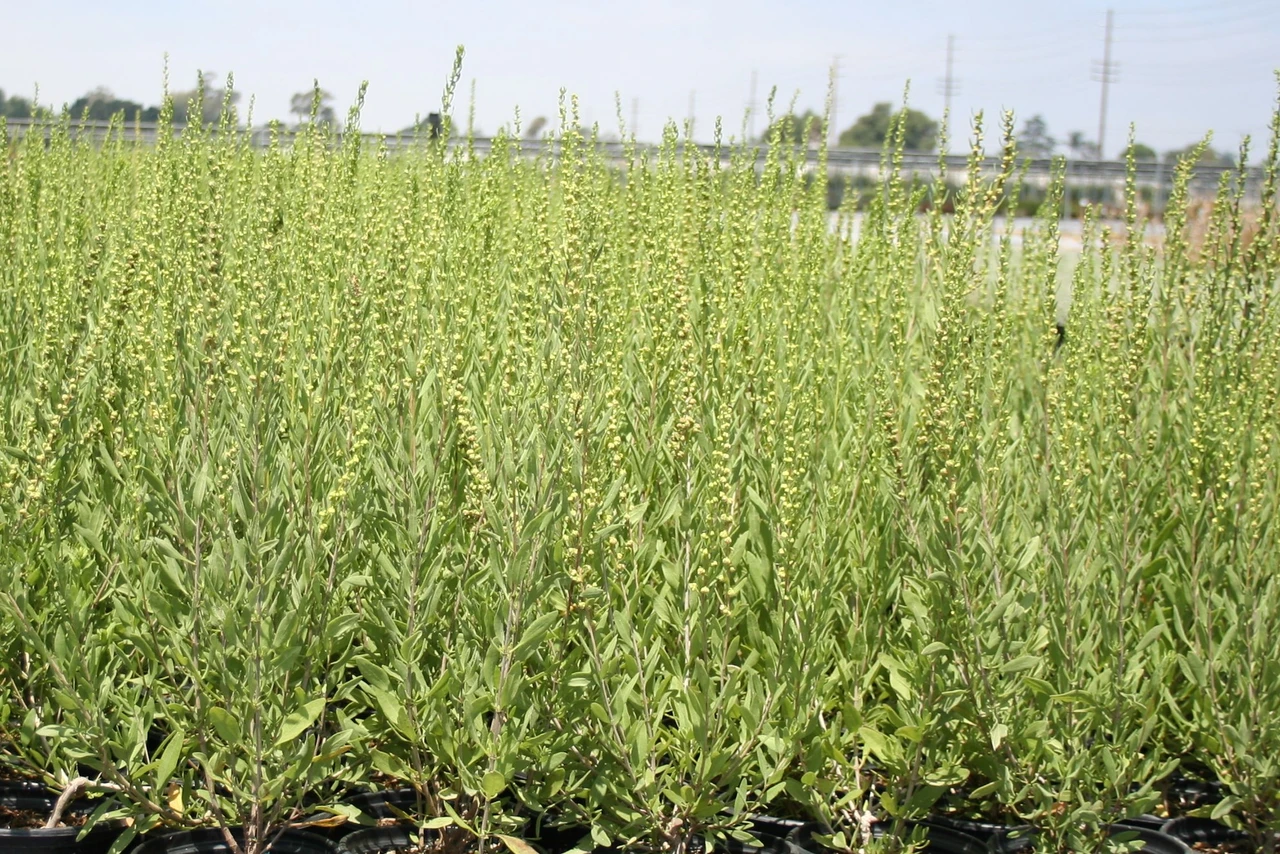
| Plant | Sun | Water once established | Size |
|---|---|---|---|
| Pigeon Point coyote brush | Full sun | Very little | 18 in. tall, 8 ft. wide |
| Carmel creeper ceanothus | Full sun to light shade | Very little | 1 to 3 ft. tall, up to 15 ft. wide |
| Creeping snowberry | Sun to shade | Low | About 12 in. tall, spreads rapidly |
| Silver Carpet aster | Full sun to part shade | Little or none | 1 to 6 in. tall, 4 to 8 ft. wide |
| Poverty weed | Sun or part shade | Tolerates moisture and drought | 2 to 3 ft. tall, 4 to 5 ft. wide |
How to Plant a Slope the Smart Way
- Check drainage first. Most of these plants want excellent drainage, and a soggy slope needs a different fix than a bare one.
- Match the plant to the light. Full sun, part shade and shade slopes need different choices from the table above.
- Plant in fall. Roots establish while the rains do the watering, then the plants settle in before summer dries things out.
- Space for the mature width. These plants spread several feet, so plant small and give them room.
- Mulch between plants. It protects soil while the roots fill in, because new plants will not hold a slope on day one.
- Know when to call a pro. Steep slopes, existing movement or cracking, and anything near a foundation or retaining wall need a landscape professional or engineer, and some work may need a permit.
One more local note. In fire-prone hills, check your area’s defensible space guidance before choosing plants and spacing.
Watch: Planting and Erosion Control on a Slope
What This Means If You’re Selling or Buying
For sellers, a stable, planted slope tells a buyer the yard has been cared for. Bare, eroding dirt does the opposite, and it can turn into a line item on an inspection report. If you plan to list in spring, planting this month gives the roots a full winter to establish, and it ties in with everything else on the pre-sale list, from gutters and drainage to fresh paint.
For buyers, a hillside lot is worth a closer look in the rainy season. Ask how the slope has handled past storms, look for erosion, exposed roots or silt at the base, and bring it up with your inspector. We’re happy to walk through it with you.
FAQs
When is the best time to plant groundcovers on a slope in California?
Fall. Planting before the rainy season lets winter rain water new plants in and gives roots time to establish before summer.
Will groundcovers stop erosion right away?
No. Roots and canopy take time to develop, so mulch between plants and plan for the first winter to be a building season.
Do native groundcovers need much water?
Most of the five here need very little once established, but all need some help the first year. Check each plant’s drainage needs before you plant.
Can a planted slope help when I sell my home?
It helps the yard look cared for and can head off erosion concerns in an inspection. It’s one piece of a broader pre-sale plan.
When should I hire a professional?
For steep slopes, visible movement or cracking, or work near a foundation or retaining wall.
The Bottom Line
A slope does not have to stay bare through the winter. A few well-chosen natives, planted now, protect the soil and make the yard look as good as it works. Whatever your timeline, let’s talk.

Yohay Davidson Group
Mike Yohay & Jeremy Davidson
REALTORS® | DRE 02080767 | DRE 02085874
510-800-7449
Sources: UC Cooperative Extension Master Gardeners, California native plants that make excellent garden ground covers and Drought-tolerant native groundcovers.